How to Get a Spider Identified from a Photo
Most spiders are named from three things: the eyes, the markings on the front body section (the cephalothorax) and the shape of the abdomen. Get those in focus and the identifier above has what it needs.
- Shoot from above and a little in front, so the eye arrangement and the back of the cephalothorax both show. That is where the brown recluse's violin and its six eyes are.
- Add a second photo of the underside for a shiny black spider: the black widow's red hourglass is on the belly.
- Include the web if there is one. A tangled cobweb, a funnel, a wheel-shaped orb and no web at all point to different families.
- A dead or squashed spider is fine. Put it on white paper next to a coin for size, and do not handle a possible recluse or widow with bare hands.
Not a spider? The bug identifier handles every other bug, and the house bug guide covers the usual indoor finds.
Quick Spider Identification Chart
| Spider | Size | Color | Web Type | Where Found | Danger |
|---|---|---|---|---|---|
| Common House Spider | 5–8 mm | Brown, tan | Tangled cobweb | Corners, windows | Harmless |
| Cellar Spider | 6–9 mm body | Pale yellow-gray | Loose irregular web | Basements, garages | Harmless |
| Wolf Spider | 10–35 mm | Brown with markings | No web (ground hunter) | Ground level, outdoors | Harmless |
| Jumping Spider | 5–15 mm | Black with markings | No web (active hunter) | Walls, sunny spots | Harmless |
| Orb Weaver | 10–20 mm | Varies widely | Classic circular web | Gardens, porches | Harmless |
| Brown Recluse | 6–20 mm | Light to dark brown | Irregular web | Closets, storage | Dangerous |
| Black Widow | 8–15 mm | Glossy black | Irregular web | Dark undisturbed areas | Dangerous |
| Hobo Spider | 10–14 mm | Brown, chevron pattern | Funnel web | Ground level | Low risk |
Harmless Spiders You Will See Most Often
Common House Spider (Parasteatoda tepidariorum)
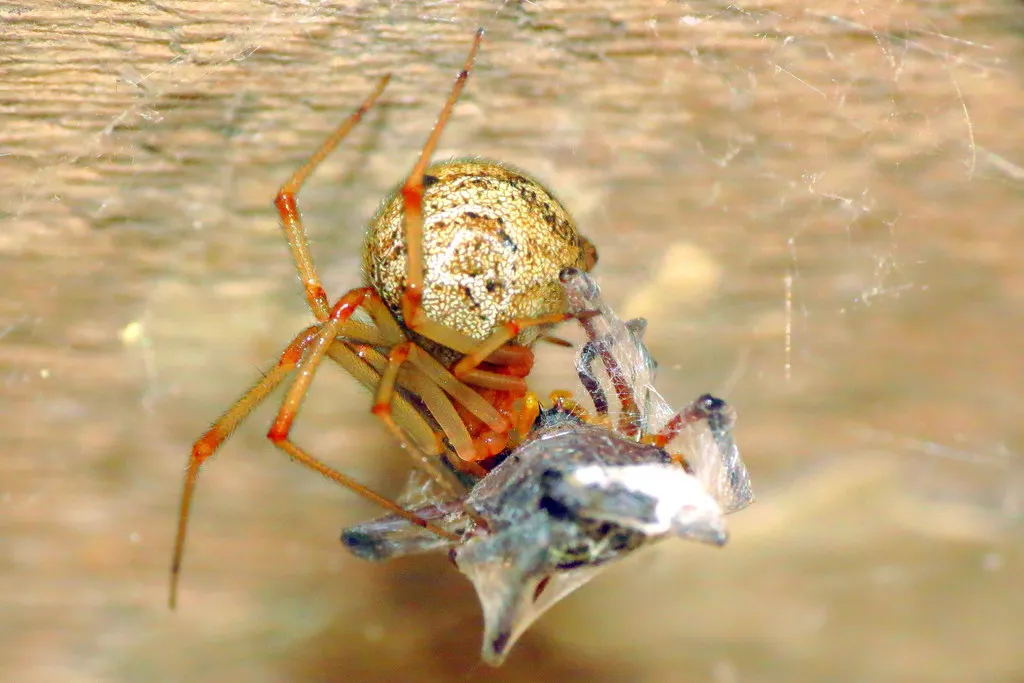
The spider most people find in their homes. They build messy, tangled cobwebs in corners, window frames, and under furniture. Despite being everywhere, they are completely harmless and actually help by catching flies, mosquitoes, and other pests.
How to identify:
- Small (about the size of a nickel with legs)
- Brown or tan with darker mottled markings
- Round abdomen
- Always found near their messy cobweb
Wolf Spider
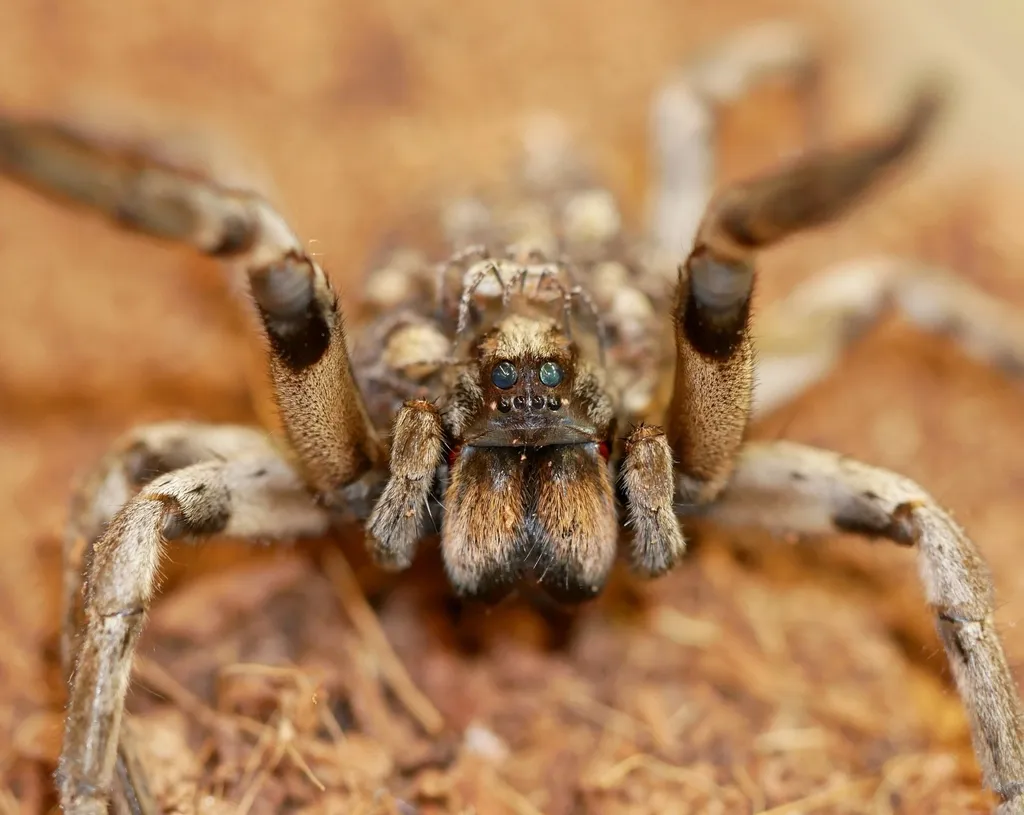
Wolf spiders look scary because of their size and speed, but they are harmless to humans. They do not build webs — instead, they hunt prey on the ground. You might spot them darting across floors at night.
How to identify:
- Large and hairy (can be over an inch long)
- Brown with lighter stripes or markings
- Two large eyes that reflect light (plus six smaller ones)
- Runs fast on the ground rather than hanging in a web
- Females carry egg sacs on their spinnerets
Jumping Spider
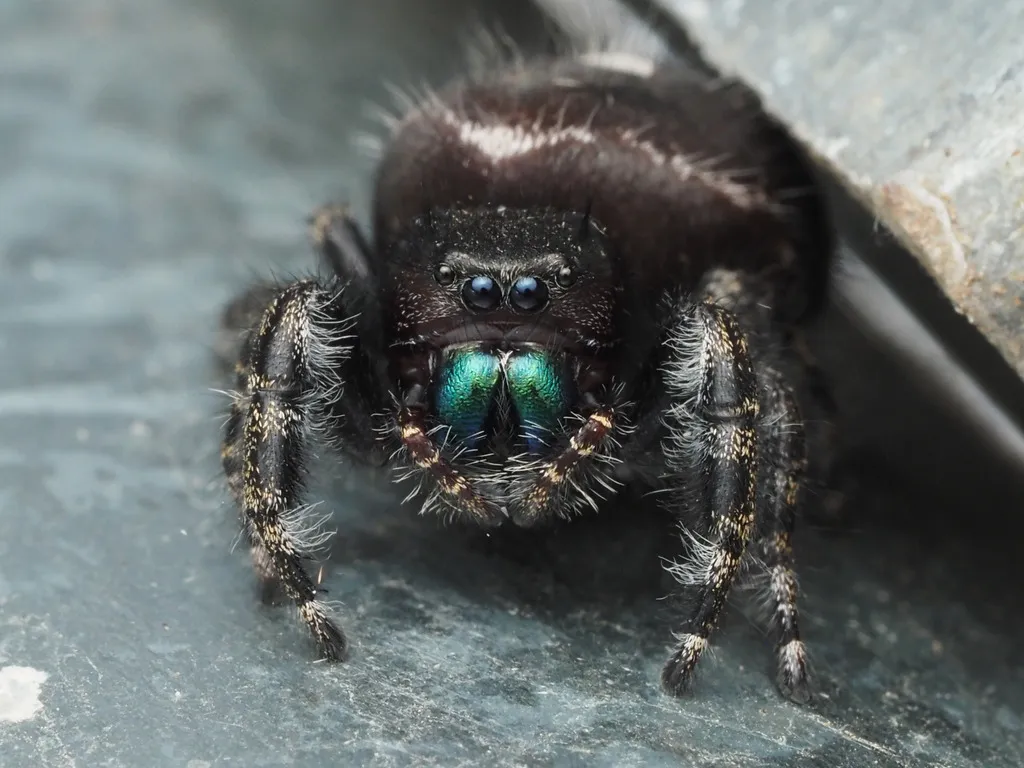
Arguably the most charming spider you will encounter. Jumping spiders are small, curious, and have excellent vision. They may turn to look at you, which is unusual behavior for spiders. Completely harmless.
How to identify:
- Compact, stocky body
- Very large front-facing eyes
- Often black with white, green, or iridescent markings
- Moves in quick jumps rather than crawling
- Found on walls, fences, and sunny window sills
Cellar Spider (Daddy Longlegs)
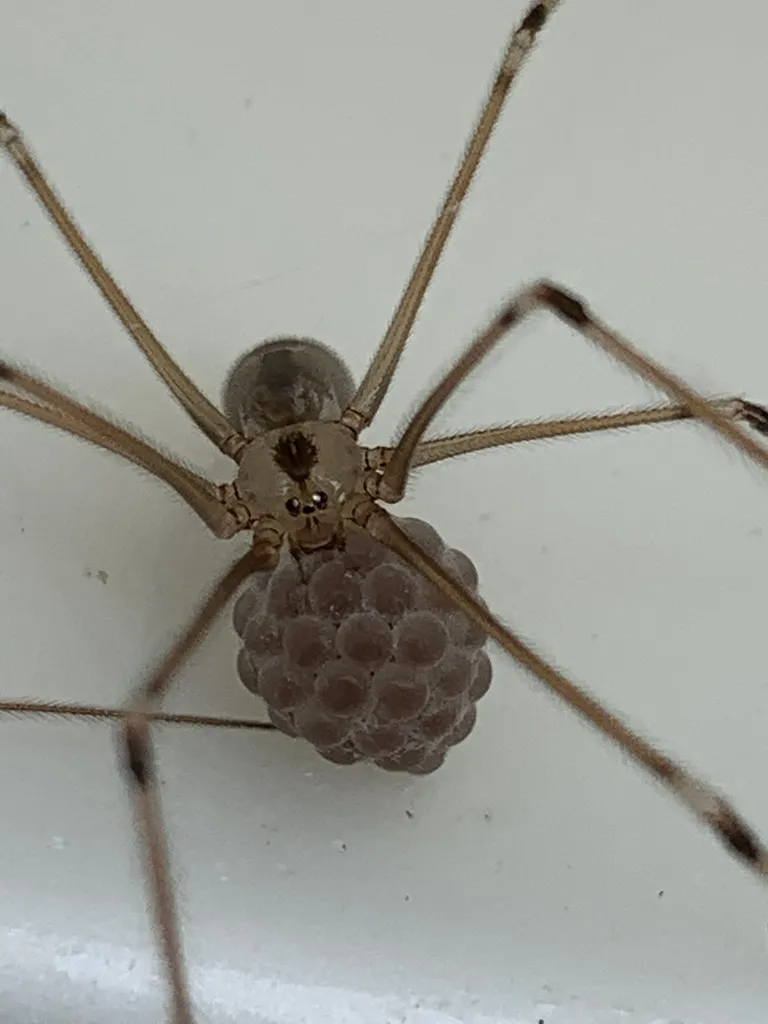
The spider with extremely long, thin legs you find in basements and garages. Despite the myth, cellar spiders do not have particularly potent venom and their fangs can technically pierce skin, though bites are exceptionally rare and harmless.
How to identify:
- Very long, thin legs (several times body length)
- Small, pale body
- Hangs upside down in loose, messy webs
- Vibrates rapidly when disturbed (defense mechanism)
Orb Weaver
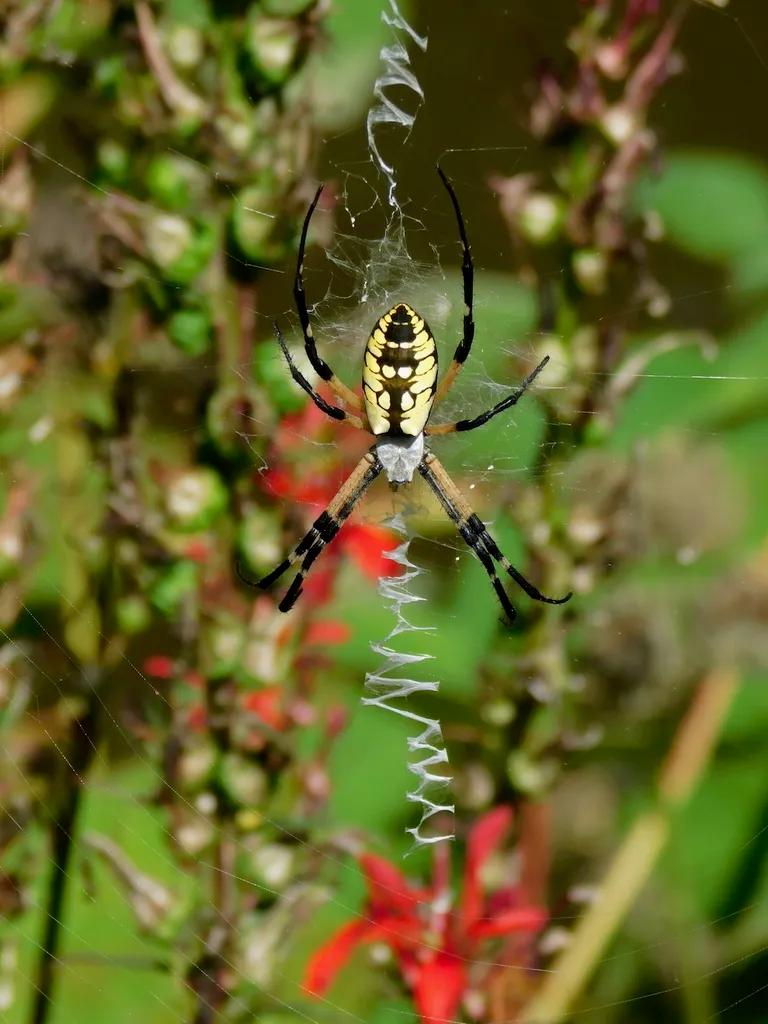
The architect of the spider world. Orb weavers build the classic, beautiful circular webs you see in gardens, between trees, and on porches. They are harmless and incredibly beneficial for pest control.
How to identify:
- Medium to large body, often colorful
- Build large, organized circular webs
- Usually found outdoors
- Sit in the center of their web or hide nearby
- Rebuild their web daily
Dangerous Spiders in the US
Only two spider genera in the US are considered medically significant: the brown recluse and the black widow. Our brown recluse identification guide goes deeper on the violin mark, eye pattern and lookalikes, and Is this spider dangerous? gives a four-question check that works in any region.
Brown Recluse (Loxosceles reclusa)
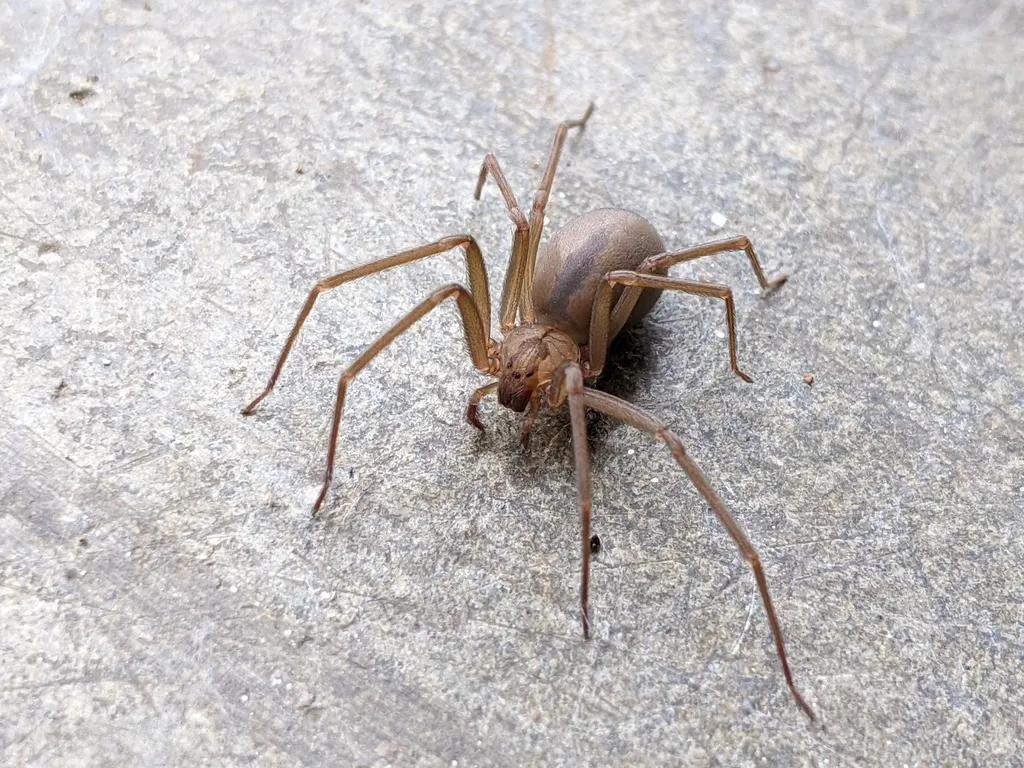
Range: Central and southern United States (Missouri, Kansas, Oklahoma, Texas, and surrounding states). Despite claims, they are rarely found outside this range.
How to identify:
- Light to medium brown, uniform color
- Violin-shaped marking on the cephalothorax (head region)
- Six eyes arranged in three pairs (most spiders have eight)
- No markings on the abdomen or legs
- About the size of a quarter with legs extended
Behavior: True to their name, brown recluses are shy and reclusive. They hide in undisturbed places like closets, storage boxes, shoes, and behind furniture. Bites typically happen when they are trapped against skin. If you think you were bitten, the spider bite stages guide describes what a recluse bite looks like over time, and the bug bite identifier checks a photo of the bite.
Black Widow (Latrodectus)
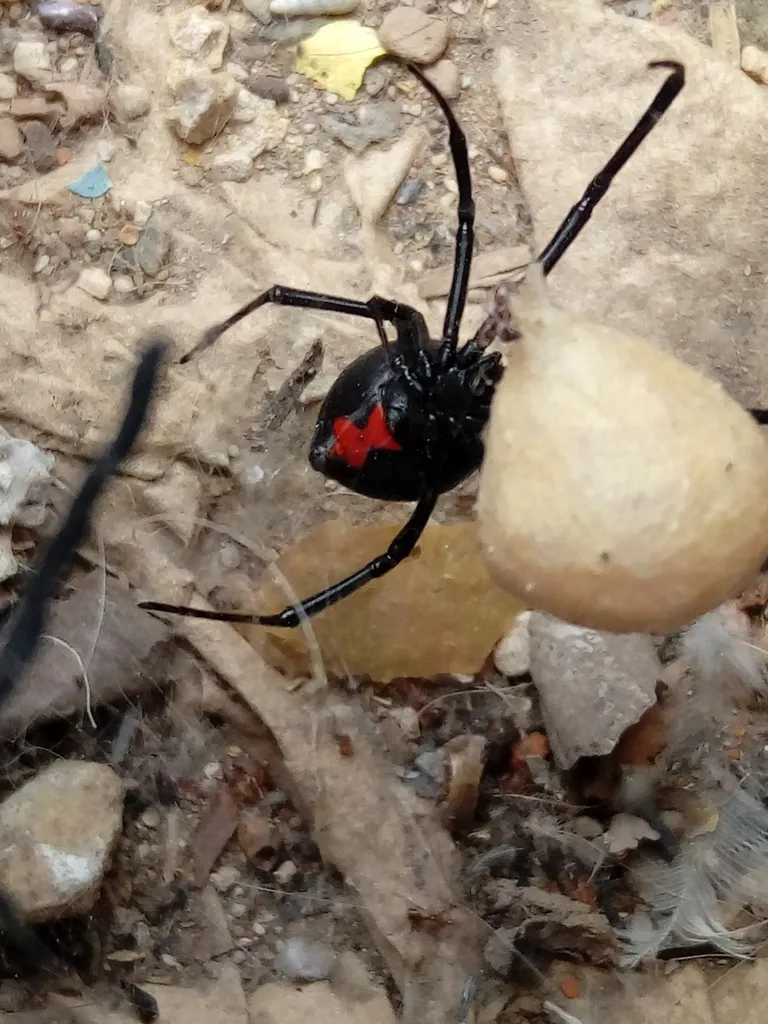
Range: Found throughout the US but most common in southern and western states.
How to identify:
- Glossy, jet-black body
- Red hourglass marking on the underside of the abdomen
- Round, bulbous abdomen
- Builds irregular webs close to the ground
- About the size of a large marble with legs extended
Behavior: Black widows prefer dark, undisturbed areas like woodpiles, garages, sheds, and meter boxes. They are not aggressive and will only bite when pressed against skin or threatened. Males, juveniles and brown widows look quite different, and false widows look similar without the hourglass; the black widow identification guide has photos of each.
What to Do If You Find a Spider
- Stay calm. The vast majority of spiders are harmless.
- Do not touch it. Even harmless spiders may bite if cornered.
- Take a photo. Upload it to the spider identifier at the top of this page for the species and a danger level.
- Relocate if harmless. Trap it under a glass with a piece of paper and release it outside.
- Call pest control for dangerous species. If you confirm a brown recluse or black widow infestation.
Spider Identification Tips
| Feature | What to Look For | Why It Matters |
|---|---|---|
| Eye arrangement | Count and pattern of eyes | Brown recluse has 6 eyes (3 pairs), most spiders have 8 |
| Web type | Circular, funnel, tangled, or no web | Narrows down the spider family quickly |
| Body shape | Round abdomen vs. elongated | Helps distinguish between similar-looking species |
| Markings | Violin shape, hourglass, stripes, spots | Key identifiers for dangerous species |
| Behavior | Web-builder vs. hunter, day vs. night | Determines the spider family |
Frequently Asked Questions
Are most house spiders dangerous?
No. The vast majority of spiders found in homes are completely harmless. In the US, only the brown recluse and black widow are considered medically significant.
How can I tell if a spider is a brown recluse?
Look for three things: a violin-shaped marking on the head, six eyes in three pairs, and a uniform brown color with no markings on the legs or abdomen. Also consider location — they are primarily found in the central-southern US.
Should I kill spiders in my house?
Spiders are beneficial because they eat flies, mosquitoes, and other pests. If you are uncomfortable, relocate them outside rather than killing them. Only consider pest control for confirmed dangerous species.
What is the biggest spider in the US?
The Carolina wolf spider can have a leg span of up to 4 inches, making it one of the largest spiders in North America. Despite their size, they are harmless to humans.
How do I identify a spider from a picture?
Upload a sharp photo taken from above to the spider identifier on this page. It names the spider, gives a danger level and lists the spiders it is most often confused with. For a shiny black spider, add a photo of the underside to check for the red hourglass.
Is this spider identifier free?
Yes. You can identify 3 photos a day in your browser without an account, and the photo is not stored. The Bug Identifier app for iPhone identifies straight from the camera.